









Mauritius — an Alternative to the Maldives! Discover an Island Where Vacation Meets Adventure.
Authors / Photo source: Unsplash.
Contents:
- Dive into an ocean of adventure: world-class diving and snorkeling.
- Meet the giants of the ocean — whales and dolphins.
- Discover the island’s flavors: a gastronomic kaleidoscope.
- Ascend the green mountains: tea plantations and panoramic views.
- Marvel at divine architecture: Hindu temples in the tropics.
- Feel the breath of history: colonial architecture in Port Louis.
- Explore the seven-colored lands: natural wonders of the volcanic island.
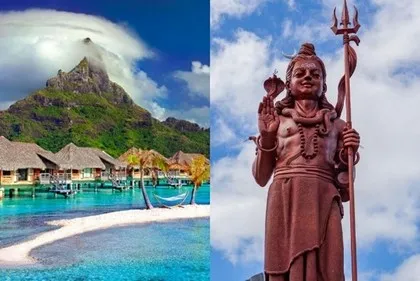
While everyone dreams of the serene Maldives, where the only entertainment is counting shades of blue, there is an island that offers not only pristine beaches and turquoise waters but also real adventures. Mauritius is a tropical paradise where you can watch whales in the morning, explore a Hindu temple in the crater of an extinct volcano during the day, and taste curry fish at a Creole restaurant by the ocean in the evening. If your idea of a perfect trip is more than just sunbathing on the beach, welcome to the island where every day is a new story!
Dive into an ocean of adventure: world-class diving and snorkeling.
Authors / Photo source: Chinh Le Duc/Unsplash.
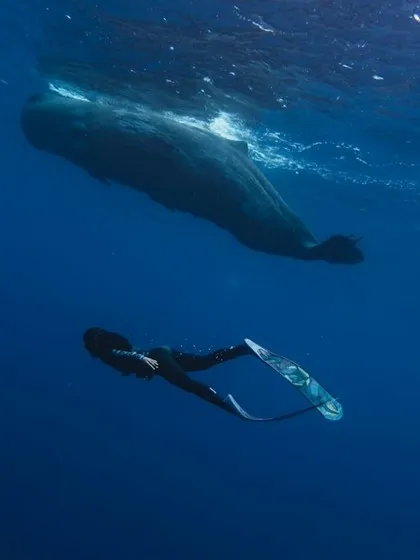
Mauritius is surrounded by the third-largest coral barrier reef in the world, stretching over 160 km. Blue Bay Lagoon is recognized as a marine park, with visibility up to 30 meters — here you can see moray eels, stingrays, surgeonfish, and even turtles in their natural habitat. For experienced divers, the famous “Cathedral” site is open — an underwater arch at 25 meters depth inhabited by barracudas and tuna.
Off the west coast, you can dive to sunken ships: the Japanese trawler “Hoi Siong” rests at 33 meters depth and has turned into an artificial reef, home to thousands of tropical fish. Water temperatures remain around 24–28°C year-round, so snorkeling without a wetsuit is comfortable even in winter.
Meet the giants of the ocean — whales and dolphins.
Authors / Photo source: Samy MOUNICHY/Unsplash.
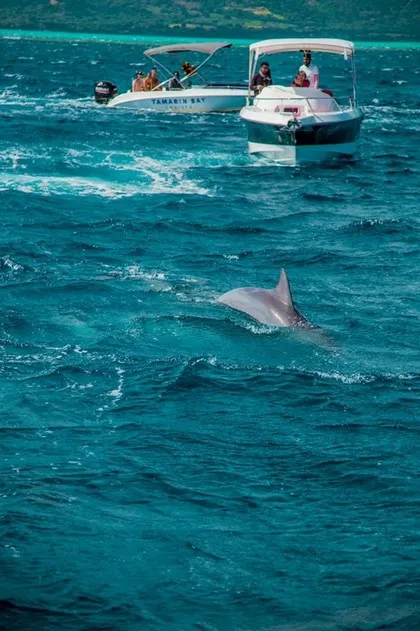
From July to October, sperm whales and humpback whales arrive at the western shores of Mauritius — one of the few regions where you can see multiple whale species at once. Tours depart early in the morning from Tamarin Bay: boats approach these majestic creatures at a distance of 30–50 meters, with lengths reaching 15–18 meters. Guides share insights on migration routes, mating behaviors, and whales’ incredible ability to communicate using ultrasound.
Dolphins can be seen in Mauritius year-round — pods of spinner dolphins often accompany boats, leaping from the water and spinning in the air. Some tours offer swimming with dolphins in the open ocean (at a safe distance for the animals). This journey leaves a lifelong impression — when a 30-ton whale swims beneath you, time seems to stand still.
Discover the island’s flavors: a gastronomic kaleidoscope.
Authors / Photo source: Pew Nguyen/Pexels.
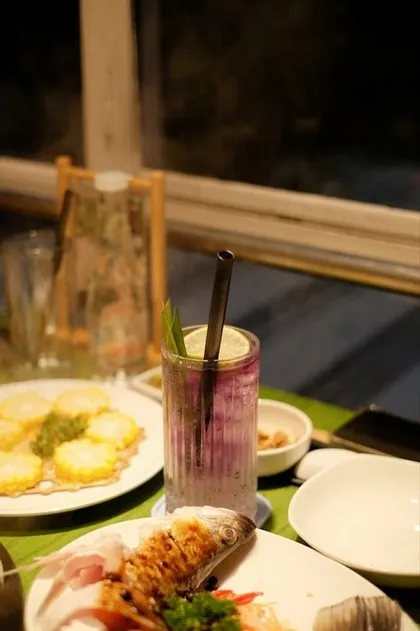
Mauritian cuisine is the result of 300 years of cultural fusion: French elegance, Indian spices, Chinese techniques, and Creole soul. Be sure to try dholl puri — the number one street food: a thin flatbread filled with yellow split peas, vegetable curry, tomato chutney, and hot sauce, eaten by locals for breakfast. It costs only 25–30 rupees (around 50 rubles), but the taste is unforgettable.
In Creole restaurants, order “vade” fish — pieces of marlin or tuna stewed with onions, ginger, and tamarind, served with rice. Indian neighborhoods offer authentic saffron chicken biryani, and French bistros along Grand Baie’s coast serve venison heart in red wine and vanilla crème brûlée. Rum is a particular pride of the island: at the Chamarel distilleries, tastings and tours show the production process. A gastronomic journey through Mauritius is a way to understand the island’s history through its flavors.
Ascend the green mountains: tea plantations and panoramic views.
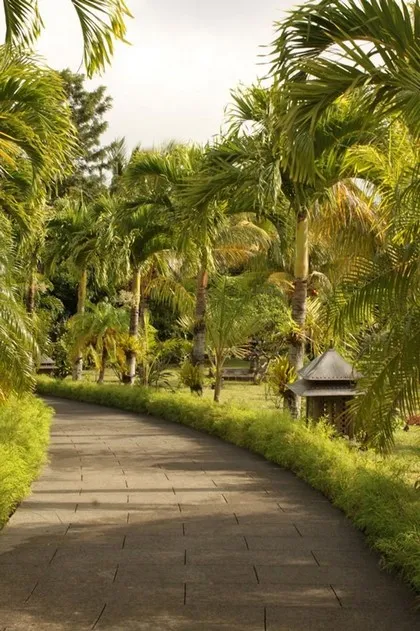
Authors / Photo source: Unsplash.
Mauritius’ central plateau is a kingdom of emerald hills, with tea plantations stretching 600–800 meters above sea level. The most famous is Bois Cheri Tea Estate, founded in 1892, the island’s first tea factory. The tour includes a walk through the plantations to see how young leaves are picked (only the top three leaves with the bud), a visit to the tea museum, and a tasting of a dozen teas overlooking the lake.
They produce black, green, and flavored teas with Bourbon vanilla (grown nearby on Réunion Island). After the tasting, head to the Domaine des Aubineaux viewpoint — a 19th-century colonial villa surrounded by gardens with views of the southern coast and Le Morne Mountain. The plateau is 5–7 degrees cooler than the coast — a pleasant break from tropical heat. Relaxing in tea gardens is a meditative immersion into a slower pace of life.
Marvel at divine architecture: Hindu temples in the tropics.
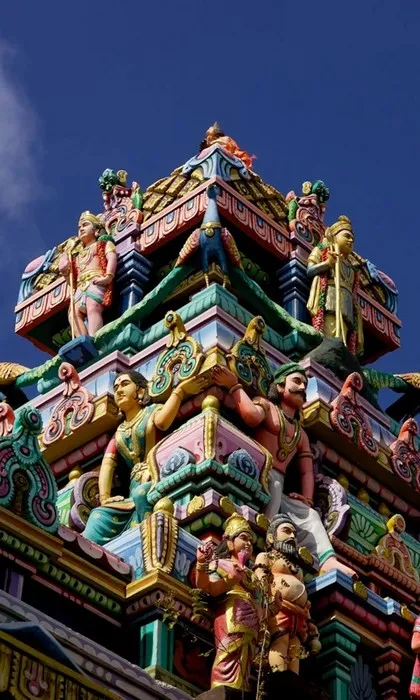
Authors / Photo source: Miguel Alcântara/Unsplash.
More than 50% of Mauritius’ population are Hindus, descendants of workers brought by the British in the 19th century to work on sugar plantations. The most impressive temple complex is Grand Bassin (Ganga Talao), a sacred lake in the crater of an extinct volcano at 550 meters altitude. At the entrance stands a 33-meter statue of Lord Shiva — the tallest in the Western Hemisphere. During the Maha Shivaratri festival in February–March, up to 500,000 pilgrims walk from all corners of the island to the lake, carrying kavadis (ritual ornaments).
The Kalipalayam Temple in Port Louis, built in 1854, impresses with bright gopurams (towers) adorned with sculptures of deities. Surya Udaya Temple in Pamplemousses is surrounded by hibiscus and frangipani gardens, where monks can be seen meditating. Visiting Hindu shrines is a journey into the spiritual world of Indian culture transplanted to the African island. Be sure to remove shoes before entering and dress modestly — shoulders and knees should be covered.
Feel the breath of history: colonial architecture in Port Louis.
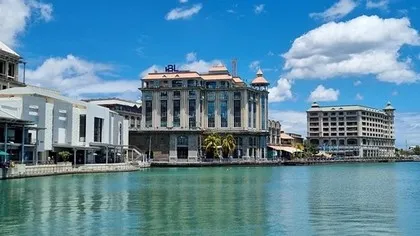
Authors / Photo source: shane paulsen/Pixabay.
Mauritius’ capital is an open-air museum where history is written on the façades of buildings. Port Louis Theatre, built in 1822, is the oldest operating theater in the Indian Ocean — an elegant neoclassical building still hosting performances. The old port, with its warehouses at Caudan Waterfront, has been transformed into a promenade with the Blue Penny Museum, housing one of the two surviving “Blue Mauritius” stamps from 1847, valued at over a million dollars.
Walk along Company Garden Street to the presidential residence Château de Réduit — an 18th-century French colonial mansion with Creole verandas and gardens. Fort Adelaide (Citadel) on the hill was built by the British in 1840 to defend against a French invasion that never occurred. Now its walls offer the best view of the city, the port, and the Moka mountains. Every building is a layer of history: French elegance, British solidity, Creole color. Touring the capital takes half a day but transports you two centuries back.
Explore the seven-colored lands: natural wonders of the volcanic island.
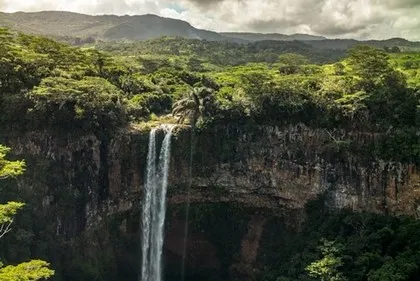
Authors / Photo source: Unsplash.
Chamarel Park in the southwest is where nature shows its sense of humor. The Seven Coloured Earths are dunes of volcanic ash in seven different shades: red, brown, purple, green, blue, violet, and yellow. This is the result of basalt lava decomposition with varying iron and aluminum oxide content. A fascinating property: if you mix these sands, they naturally separate by color. Sunset paints the dunes in even more fantastic tones.
A five-minute walk away is Chamarel Waterfall, 95 meters high, the tallest on the island, surrounded by tropical forest. From the viewpoint, you can see two rivers merging before the drop, creating a double cascade. The park is also home to giant tortoises that can be fed bananas. It’s an active recreation area with light trekking trails, where every turn reveals a new landscape.
Mauritius is an island where attractions are scattered from Port Louis in the north to Chamarel in the south, from tea plantations in the center to beaches on the coast. Public transport is limited, and renting a car requires adapting to left-hand traffic and mountain serpentine roads. A professional airport transfer with a local driver turns your journey into a comfortable and safe adventure: you will visit all key locations stress-free, receive tips from a knowledgeable guide, and save precious vacation time!
More travel photos in our Telegram channel.
Read also other Intui travel news: Plan a Romantic Valentine’s Weekend! From Spa Retreats to Winery Gastronomic Tours.
Intui offers the opportunity to earn money for bloggers and experts in the field of tourism by participating in an affiliate program.
Petrichenko Rimma & Intui travel


