

Discover Winter in the Desert: The Complete Guide to Morocco.
Authors / Photo source: Pexels.
Contents:
- Choose the winter months for your trip.
- Snow in the Atlas Mountains: discover unexpected Morocco.
- Meet the sunrise in the winter Sahara.
- Catch waves on the Atlantic coast: ocean and surfing all year round.
- Discover El Jadida: Portuguese heritage by the ocean.
- Enjoy surfing in Essaouira: the city of winds and bohemia.
- Relax on the beaches of Agadir: winter sun and comfort.
- Explore Morocco’s imperial cities.
- Start your route in Casablanca: the gateway to Morocco.
- Dive into the chaos of Marrakech: the red city of contrasts.
- Walk through the medina of Fes: a living medieval museum.
- Take a picture of blue Chefchaouen: the blue pearl of the Rif.
- Enjoy the Draa Valley and the road to the desert.
- Travel comfortably with an airport transfer in Morocco
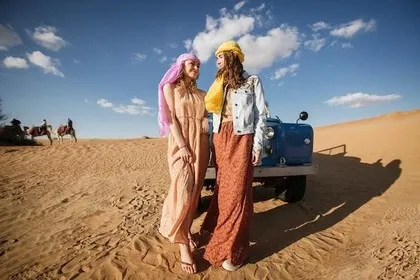
Imagine this: in the morning you ski in snow-covered mountains, in the afternoon you sip mint tea in a Berber village, and in the evening you watch the sunset over the golden dunes of the Sahara. Sounds like a dream? In winter Morocco, this is just a normal day. If you’re tired of grey European winters and tropical destinations feel too predictable, this is the place to go. Snow, desert, and ocean coexist here within one country.
Choose the winter months for your trip.

Authors / Photo source: Sergey Pesterev/Unsplash.
December, January, and February are the best months to visit Morocco. Daytime temperatures in cities and along the coast stay at a comfortable +18–22°C, ideal for sightseeing. Nights are cooler (+8–12°C), and it can get cold in the mountains and the desert. Winter is a low season for beach holidays but a high season for cultural travel — fewer crowds, pleasant prices, and the chance to see the country in all its diversity.
Snow in the Atlas Mountains: discover unexpected Morocco.
Authors / Photo source: Med EDDARAMI/Unsplash.
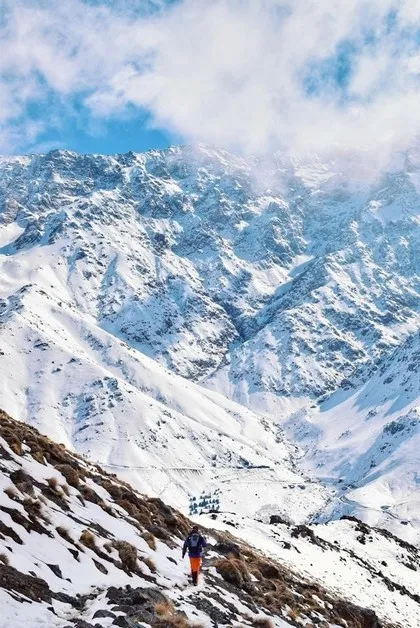
Few people know that you can ski in Morocco! The Oukaimeden ski resort in the Atlas Mountains is just 75 km from Marrakech and operates from December to March. Slopes reach elevations of up to 3,200 meters, the snow is real, and the views of snow-covered peaks and Berber villages are breathtaking.
Winter turns the Atlas Mountains into a true winter fairytale in the heart of Africa. You can ski or snowboard on African slopes and then warm up in a cozy café with traditional mint tea. Trekking enthusiasts head toward Mount Toubkal (4,167 meters), the highest peak in North Africa. Even without summiting, walks along snow-covered mountain trails offer incredible views and encounters with welcoming Berbers.
Berber villages hidden in mountain valleys are especially charming in winter. Stone houses with flat roofs, smoke rising from chimneys, the smell of freshly baked bread, and the warmth of local hospitality create the feeling of stepping back centuries in time. Many travelers stay in mountain riads with panoramic windows overlooking snow-white peaks against a deep blue sky.
Meet the sunrise in the winter Sahara.
Authors / Photo source: Graphe Tween/Unsplash.
Winter is the perfect time to visit the Sahara. The summer heat of +45–50°C gives way to a comfortable +20–25°C during the day, although temperatures can drop to 0°C at night. This makes desert travel not only possible but enjoyable.
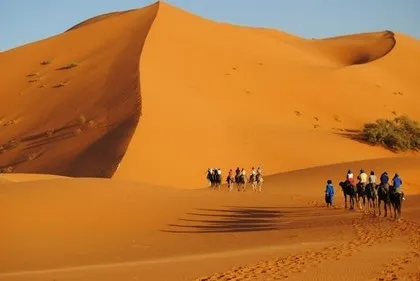
The most impressive dunes are found in Erg Chebbi near Merzouga — classic orange sand mountains up to 150 meters high that change color from gold to fiery red depending on the sun’s position. The more remote and wild Erg Chigaga attracts those seeking solitude and authenticity, with far fewer tourists. Zagora is known as the gateway to the desert, with ancient kasbahs and date palm oases.
Watching the sunrise over the dunes is an essential ritual. Many travelers climb a dune by camel or quad bike before dawn to see the first rays of sunlight paint the sand in surreal shades of pink and orange. Spending the night in a Berber desert camp under a star-filled sky is another must-do experience. Winter skies here are so clear that thousands of stars and the Milky Way are visible in all their glory.
For adventure lovers, sandboarding — riding a board down sand dunes — feels like snowboarding in a completely different setting. Visiting nomadic Berber settlements offers insight into a traditional way of life that has barely changed over centuries. Photographers spend hours capturing mirages and the unique play of light on the sand, creating images that look almost unreal.
Catch waves on the Atlantic coast: ocean and surfing all year round.

Authors / Photo source: Juli Kosolapova/Unsplash.
While the ocean is cool for swimming in winter (+17–19°C), this is the best season for surfing. Atlantic waves reach their peak, and surfers from all over the world flock to the Moroccan coast. Even if you’ve never stood on a board before, winter is a great time for your first lessons: fewer people on the beaches and more available instructors.
Discover El Jadida: Portuguese heritage by the ocean.
Authors / Photo source: AYOUB OUAZIZI/Unsplash.
El Jadida is a charming port city 100 km from Casablanca and a UNESCO World Heritage Site. A 16th-century Portuguese fortress, an atmospheric medina, and endless beaches make it an ideal destination for a quiet getaway away from busy tourist routes.
The city’s main attraction is the Portuguese Cistern — a Gothic underground water reservoir with a mysterious atmosphere and reflections of light on water. Orson Welles filmed scenes from Othello here. A walk through the Mazagan Fortress takes you back to the era of Portuguese explorers, with massive bastions, old cannons, and narrow streets telling stories of battles and trade routes.
The old Jewish quarter, with white houses and blue shutters, creates a Mediterranean feel on the Atlantic coast. At the fish market, you can buy the freshest seafood and have it cooked on the spot in a small port restaurant. Water sports enthusiasts head to Sidi Bouzid Beach, where winter winds create perfect conditions for kitesurfing.
Book a new airport transfer route from Casablanca Airport to El Jadida — the most convenient way to reach the city without transfers or waiting for public transport.
Enjoy surfing in Essaouira: the city of winds and bohemia.

Authors / Photo source: rigel/Unsplash.
Cosmopolitan Essaouira is famous for its constant winds, making it a mecca for windsurfing and kitesurfing. The whitewashed medina set against the deep blue ocean creates stunning views, while the city’s relaxed, creative atmosphere has long attracted artists and musicians from around the world.
December to February brings the best waves of the year, so you’ll see surfers of all levels on the beaches. Surf schools offer lessons and equipment rental, and the warm sun compensates for the cool water. After an active day, it’s a pleasure to wander through the UNESCO-listed medina with its blue-and-white houses, craft shops, and art galleries.
Essaouira is a paradise for seafood lovers. Portside restaurants serve the freshest fish and octopus, grilled right in front of you. Nearby, argan oil cooperatives allow visitors to see how local women produce the famous argan oil using traditional methods — it grows only here, in Morocco.
Relax on the beaches of Agadir: winter sun and comfort.
Authors / Photo source: SnapSaga/Unsplash.
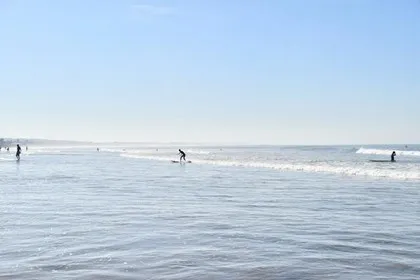
Agadir is the warmest city in Morocco in winter, with temperatures often reaching +25°C, and on especially warm days you can even swim in the ocean. This modern resort, with a 10-kilometer beach and well-developed infrastructure, attracts travelers looking for comfortable beach holidays with European-level service. Numerous hotels, restaurants, and spa centers line the coast, and the promenade is perfect for evening walks with views of Atlantic sunsets.
Explore Morocco’s imperial cities.
Morocco has a rich historical heritage that is fascinating for travelers to discover.
Start your route in Casablanca: the gateway to Morocco.

Authors / Photo source: Hans-Juergen Weinhardt/Pixabay.
Most international flights arrive in Casablanca, making it an excellent starting point for exploring the country. Morocco’s economic capital combines French Art Deco, Moorish architecture, and modern skyscrapers, creating a unique urban landscape.
The Hassan II Mosque is an absolute must-see. One of the largest mosques in the world, it is partially built over the ocean, creating the illusion that it floats above the water during high tide. Its 210-meter minaret is visible from anywhere in the city, and the interior showcases the incredible craftsmanship of Moroccan artisans.
The Habous Quarter, also known as the New Medina, offers a calmer shopping experience compared to the chaotic souks of other cities. Here you can buy high-quality handicrafts, spices, and traditional pastries. The Corniche waterfront is a favorite spot for locals, lined with cafés and restaurants where you can enjoy an evening overlooking the vast ocean.
Intui has added a new airport transfer route from Casablanca Airport to Casablanca city center. Book a car with a driver in advance to avoid language barriers, bargaining with taxi drivers, and start your Moroccan journey stress-free.
Dive into the chaos of Marrakech: the red city of contrasts.
Authors / Photo source: Hicham ELAARKOUBI/Pixabay.
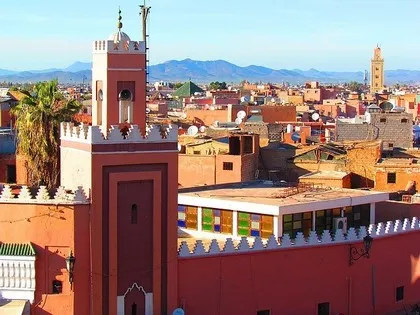
The spiritual heart of Morocco, where medieval chaos meets luxury. In winter, it’s comfortable to walk all day without suffering from the heat. Jemaa el-Fna Square transforms every evening into a vibrant open-air theater with snake charmers, acrobats, storytellers, musicians, and vendors — an atmosphere unchanged for centuries.
Marrakech’s medina is an endless labyrinth of narrow alleys filled with thousands of shops selling everything from spices and carpets to leather goods and ceramics. Bargaining is not just expected — it’s part of the culture. To escape the hustle, visit the Majorelle Garden, a blue oasis created by Yves Saint Laurent, where exotic plants and tranquility reign.
The Bahia Palace showcases the luxury of Moroccan architecture with intricate mosaics, carved ceilings, and courtyards filled with orange trees. The Saadian Tombs, rediscovered in the early 20th century, impress with their rich decoration and the craftsmanship of medieval artisans.
Walk through the medina of Fes: a living medieval museum.

Authors / Photo source: Mauro Lima/Unsplash.
The oldest imperial city and cultural capital of Morocco. The medina of Fes is the world’s largest pedestrian zone — a maze of 9,000 alleys where getting lost becomes part of the adventure. There are no cars here; goods are transported by donkeys, and artisans work using techniques passed down for centuries.
The Chouara Tannery is one of Morocco’s most photographed landmarks. Circular stone vats filled with dyes in every color of the rainbow and craftsmen working leather using 11th-century methods create a surreal scene. The smell is strong, so guides often offer sprigs of mint to help.
The Bou Inania Madrasa is a masterpiece of 14th-century Islamic architecture, with exquisite wood and plaster carvings covering every inch of the walls. The Bab Bou Jeloud Gate, decorated with blue and green mosaics, serves as the main entrance to the old medina. The Nejjarine Museum of Wooden Arts, housed in a restored caravanserai, showcases Morocco’s rich woodworking traditions.
Take a picture of blue Chefchaouen: the blue pearl of the Rif.
Authors / Photo source: Heidi Kaden/Unsplash.
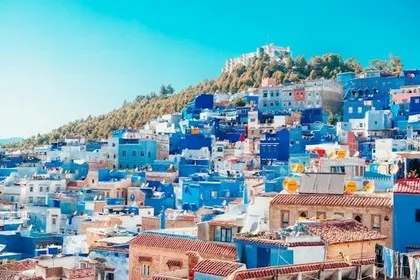
This city, painted in hundreds of shades of blue, lies in the Rif Mountains. Winter adds to its magic — crisp mountain air, fewer tourists, and perfect light for photography. Walking through narrow stair-lined streets feels meditative, with every house, door, and step painted in its own shade of blue, from soft turquoise to deep indigo.
Locals explain the blue tradition differently: some say it symbolizes the sky and spirituality, others believe it repels mosquitoes. But travelers come for the atmosphere — a city where you can wander for hours with a camera, discovering new perspectives. In the evening, streetlights give the blue walls an even more mystical glow.
Enjoy the Draa Valley and the road to the desert.

Authors / Photo source: Max van den Oetelaar/Unsplash.
The journey from Marrakech to the Sahara is an adventure in itself, passing through the scenic Draa Valley. The route crosses the Tizi n’Tichka Pass at 2,260 meters, with winding roads and panoramic views of the Atlas Mountains. The Draa Valley is an oasis stretching 200 km along the river, filled with palm groves, ancient fortified settlements (kasbahs), and Berber villages.
The most famous kasbah is Aït Ben Haddou, a UNESCO World Heritage Site. Built in the 11th century from clay and straw, it once served as a key stop on the Saharan caravan route. Today only a few families live here, but the kasbah has become a popular film location for Gladiator, Game of Thrones, Lawrence of Arabia, and many others.
Ouarzazate is known as the “Moroccan Hollywood” thanks to its major film studios. Visitors can tour the cinema museum and see famous movie sets. Todra Gorge features 300-meter-high red rock canyon walls and is popular with climbers. Even on hot days, the narrow passage stays cool, and the play of light creates dramatic colors.
The Rose Valley between Ouarzazate and Todra Gorge is especially beautiful in May during the bloom of thousands of Damascus rose bushes. In winter, you can visit cooperatives that produce the famous rose water and rose-based cosmetics.
Travel comfortably with an airport transfer in Morocco

Authors / Photo source: Pexels.
Winter Morocco is a kaleidoscope of experiences. Adventure seekers enjoy surfing on the Atlantic, skiing in the Atlas Mountains, and trekking through mountain trails. Culture lovers immerse themselves in medieval medinas, ancient kasbahs, and Berber traditions. Romantics greet the sunrise in the Sahara dunes and spend nights under the stars in desert camps. Food lovers discover Moroccan cuisine, from street food to fine dining.
To make your trip as comfortable as possible, it’s important to arrange reliable transportation in advance. On Intui, you can check prices and book a car with a driver for all destinations across Morocco.
An airport transfer helps you avoid stress upon arrival in an unfamiliar country. No need to bargain with taxi drivers, worry about language barriers, or navigate a new city after a long flight. A professional driver will meet you at the airport, assist with luggage, and take you directly to your hotel at a fixed price with no hidden fees.
Whether you begin your Moroccan adventure in dynamic Casablanca or head straight to the ocean in charming El Jadida, a well-organized airport transfer is the first step toward a perfect journey. Book in advance, enjoy comfort from the very first minutes, and discover winter Morocco — a remarkable place where snow, desert, and ocean meet.
Read also Intui travel news: Chinese New Year 2026 Is Coming! Where to Experience the World’s Brightest Celebration.
Intui offers the opportunity to earn money for bloggers and experts in the field of tourism by participating in an affiliate program.
Petrichenko Rimma & Intui travel


